Infectious Disease & Viruses Image 'Trojan horse' may deliver toxic dose of copper to bacterial colonies, including drug-resistant MRSA infections Jan. 22, 2026 BIO5 members Michael D. L. Johnson and Kenneth W. Liechty are collaborating on a University of Arizona project developing a “Trojan horse” compound that delivers toxic copper into bacterial biofilms to kill drug-resistant infections such as methicillin-resistant Staphylococcus aureus Read more in U of A News Image Michael D.L. Johnson receives microbiology honor Oct. 23, 2025 BIO5 member Michael D.L. Johnson has been named the 2026 American Society for Microbiology Honorary Diversity Lecturer, recognizing his scientific contributions and commitment to advancing inclusion in microbial sciences. Read more in U of A Health Sciences Image Researchers testing molecules that may reduce opioid overdose deaths Sept. 25, 2025 BIO5 member Todd Vanderah and University of Arizona collaborators are testing NCWR-10, a promising long-acting molecule that could reverse fentanyl overdoses with a single dose, offering a potential breakthrough in saving lives. Read more in U of A Research and Partnerships
Image 'Trojan horse' may deliver toxic dose of copper to bacterial colonies, including drug-resistant MRSA infections Jan. 22, 2026 BIO5 members Michael D. L. Johnson and Kenneth W. Liechty are collaborating on a University of Arizona project developing a “Trojan horse” compound that delivers toxic copper into bacterial biofilms to kill drug-resistant infections such as methicillin-resistant Staphylococcus aureus Read more in U of A News

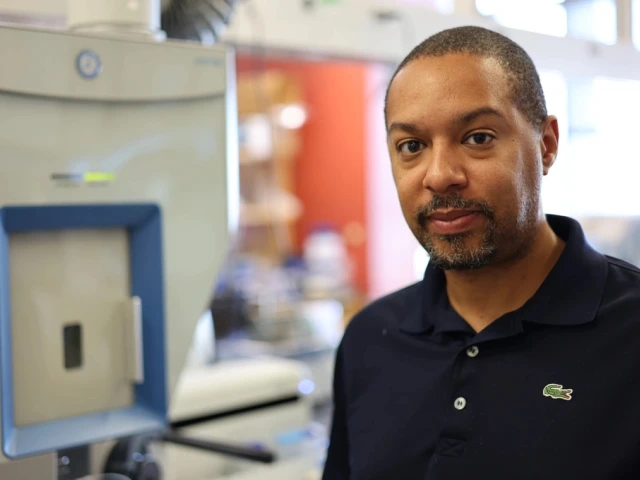
Image Michael D.L. Johnson receives microbiology honor Oct. 23, 2025 BIO5 member Michael D.L. Johnson has been named the 2026 American Society for Microbiology Honorary Diversity Lecturer, recognizing his scientific contributions and commitment to advancing inclusion in microbial sciences. Read more in U of A Health Sciences
Image Researchers testing molecules that may reduce opioid overdose deaths Sept. 25, 2025 BIO5 member Todd Vanderah and University of Arizona collaborators are testing NCWR-10, a promising long-acting molecule that could reverse fentanyl overdoses with a single dose, offering a potential breakthrough in saving lives. Read more in U of A Research and Partnerships