Health & Wellness Image AI-powered wearable boosts preventative care for elderly Dec. 22, 2025 BIO5 member Philipp Gutruf is part of University of Arizona research developing an artificial intelligence-powered wearable designed to support preventative care for older adults by monitoring health changes and enabling earlier intervention. Read more in UA News Image Groundbreaking metabolism research receives $6.8 million in funding Nov. 20, 2025 BIO5 member Yanqiao Zhang was awarded $6.8M to study how liver metabolism, including cholesterol processing and liver-heart communication, affects obesity, diabetes and heart disease. Read more in College of Medicine-Phoenix Image U of A Superfund Research Center secures $14.8M NIEHS grant to combat hazardous dust effects in Southwest Nov. 4, 2025 BIO5 member Raina Maier, Xinxin Ding, and Yin Chen are part of a $14.8 million National Institute of Environmental Health Sciences grant supporting new research to understand and reduce health risks from metalloid-contaminated dust in Southwestern mining communities. Read more in U of A News
Image AI-powered wearable boosts preventative care for elderly Dec. 22, 2025 BIO5 member Philipp Gutruf is part of University of Arizona research developing an artificial intelligence-powered wearable designed to support preventative care for older adults by monitoring health changes and enabling earlier intervention. Read more in UA News
Image Groundbreaking metabolism research receives $6.8 million in funding Nov. 20, 2025 BIO5 member Yanqiao Zhang was awarded $6.8M to study how liver metabolism, including cholesterol processing and liver-heart communication, affects obesity, diabetes and heart disease. Read more in College of Medicine-Phoenix
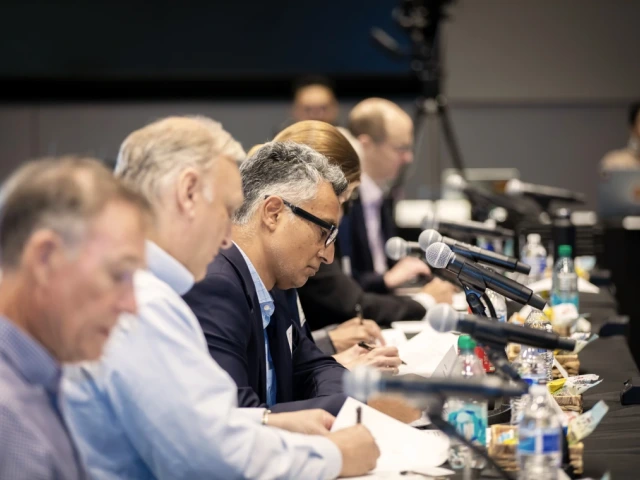
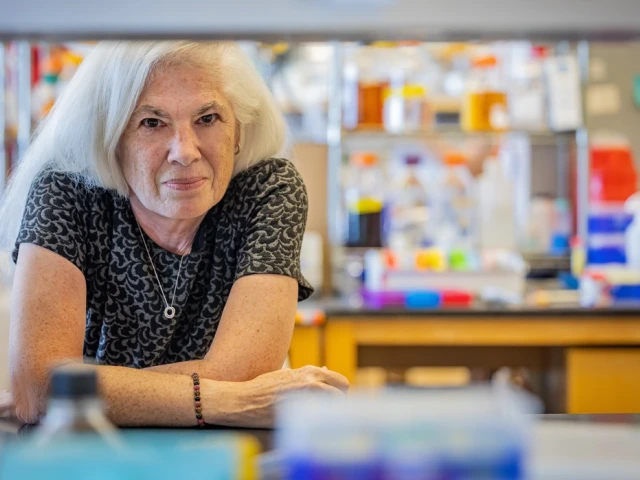
Image U of A Superfund Research Center secures $14.8M NIEHS grant to combat hazardous dust effects in Southwest Nov. 4, 2025 BIO5 member Raina Maier, Xinxin Ding, and Yin Chen are part of a $14.8 million National Institute of Environmental Health Sciences grant supporting new research to understand and reduce health risks from metalloid-contaminated dust in Southwestern mining communities. Read more in U of A News