


BIO5 Milestones
In honor of BIO5’s 25th anniversary, we invite you to explore highlights from the past 25 years.
A Brief History of BIO5
The BIO5 Institute has been a leader in collaborative research for over 25 years.
Since the beginning, the institute has built a dynamic network of researchers from multiple scientific disciplines at the University of Arizona, as well as community partnerships and resources, to enable bold solutions for evolving disease, nutrition, food safety, health and other biology-based challenges affecting Arizona and beyond.
At its core, the BIO5 Institute has a trifold mission of improving health, engaging students, and impacting Arizona.
In 2000, Arizona voters approved proposition 301, which provided funding for public education. The initiative was spearheaded by then University of Arizona President Peter Likins, along with the other Arizona university presidents and the Arizona Board of Regents, and the funds established the Technology and Research Initiative Fund (TRIF). Each university used their funds to promote research, development, and technology transfer. Likins had a dream of establishing a collaborative research hub (which helped inspire the initiative), and with the support of local businessman Thomas W. Keating, BIO5 was created.
Shortly after, the Flinn Foundation produced its first Bioscience roadmap, putting together the pieces needed for Arizona to become a leader in the biosciences. The roadmap recommended a bioscience hub at each of the three state universities, further cementing BIO5’s important place in the ecosystem.
BIO5 also supports bioscience pathways to train the next generation bioscience workforce and support early career researchers through programs such as the Keep Engaging Youth in Science (KEYS) Research Internship and the BIO5 Postdoctoral Fellowship.
And this is just the beginning. Through new programs and initiatives, BIO5 is poised to continue shaping convergent bioscience research and partnerships in Arizona.
Explore BIO5 milestones
present – 2026 | 2025 – 2021 | 2020 – 2016 | 2015 – 2011 | 2010 – 2006 | 2005 – 2001
BIO5 Today
- 300+ researchers across the University of Arizona
- 19 colleges and 80 departments represented
- 75+ faculty recruited with BIO5 support
- 60+ startups founded and 300+ patents received by BIO5 faculty members
- 800+ alumni from BIO5 Institute's KEYS Research Internship
- Research addressing challenges in health, food, water, and the environment
present – 2026
Building on 25 years of interdisciplinary bioscience research at the University of Arizona, BIO5 continues to bring together researchers across disciplines to address complex challenges in health, agriculture, and the environment while expanding new models for convergence research and collaborative discovery.
Programs
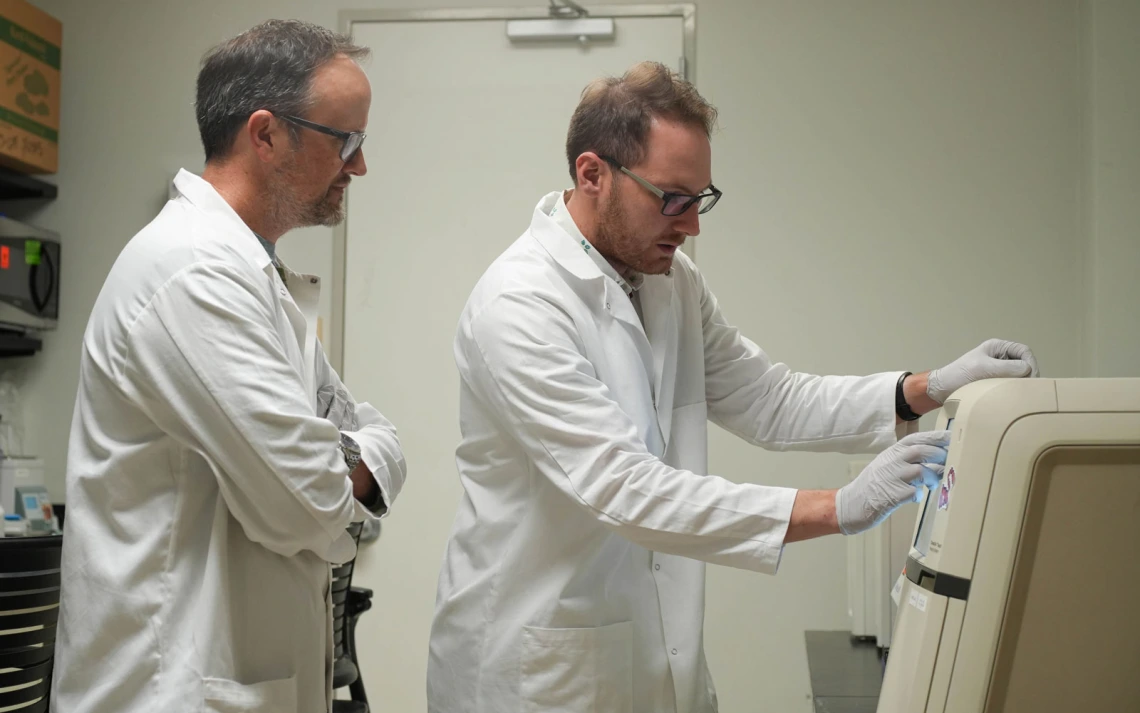
2026: BIO5 celebrates its 25th anniversary, marking a quarter century of collaborative research and innovation aimed at improving health and solving complex biological challenges.
2026: BIO5 pilots Scientific Interest Groups (SIGs), a renewed model for convergence research that brings together researchers from multiple disciplines to tackle shared scientific challenges while providing the administrative and financial support needed for collaborations to grow.
2025 – 2021
BIO5 expanded its research community and strengthened its presence across Arizona. New programs, facilities, and partnerships connected researchers, students, and communities across the state. During this period, the institute also broadened its statewide footprint while investing in advanced research infrastructure.
Infrastructure
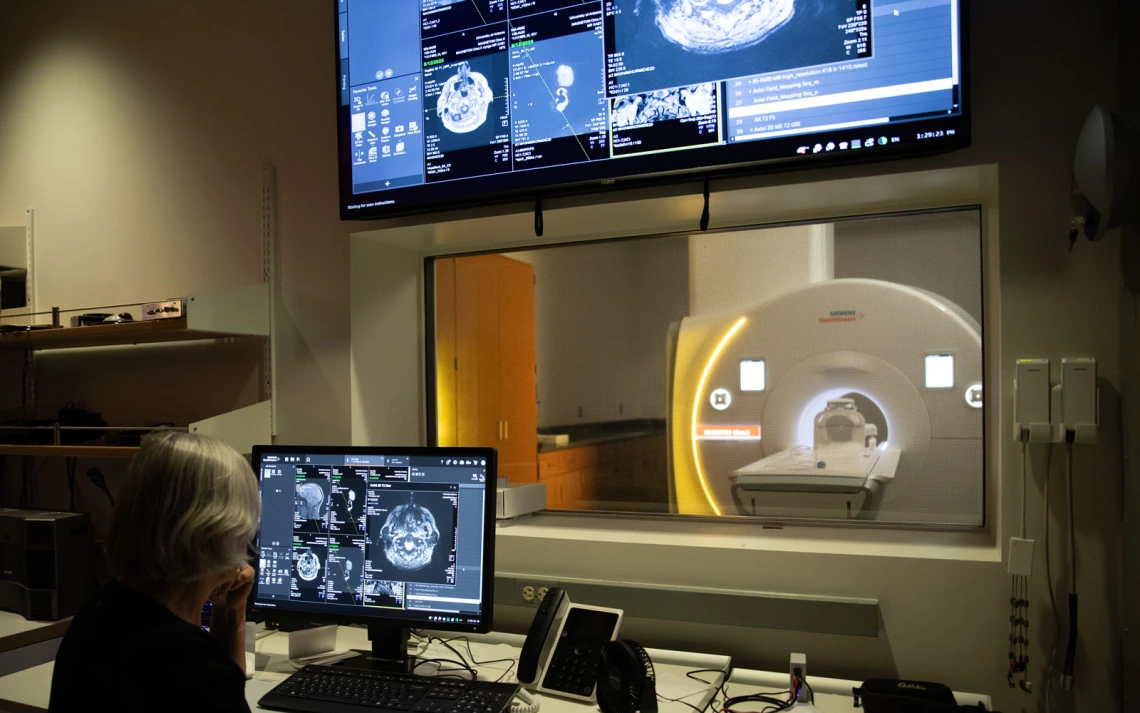
2025: Two advanced MRI systems are installed at the BIO5 Brain and Body Imaging Center with support from National Institutes of Health (NIH) shared instrumentation grant, expanding imaging capabilities for research on neurological and cardiovascular disease.
2024: More than 20 works by artist Marvin Lowe are donated to BIO5 and installed in the Thomas W. Keating building and Biosciences Research Laboratories.
People
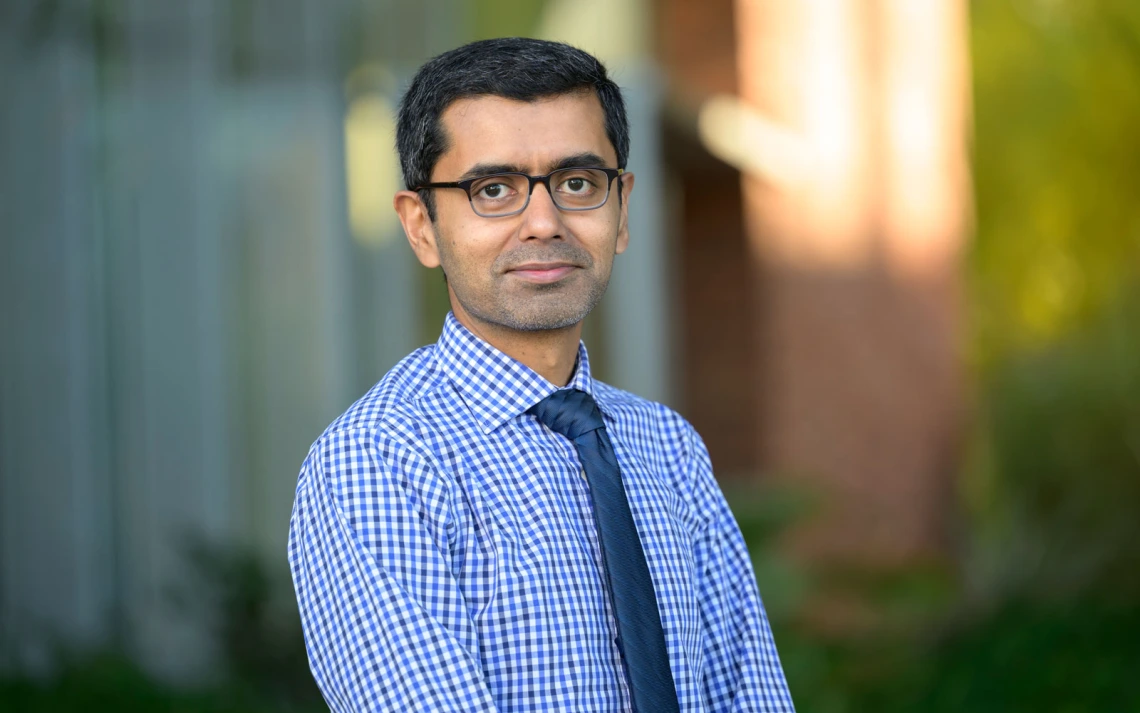
2025: Health systems scientist Vignesh Subbian is named interim director of the BIO5 Institute.
Programs
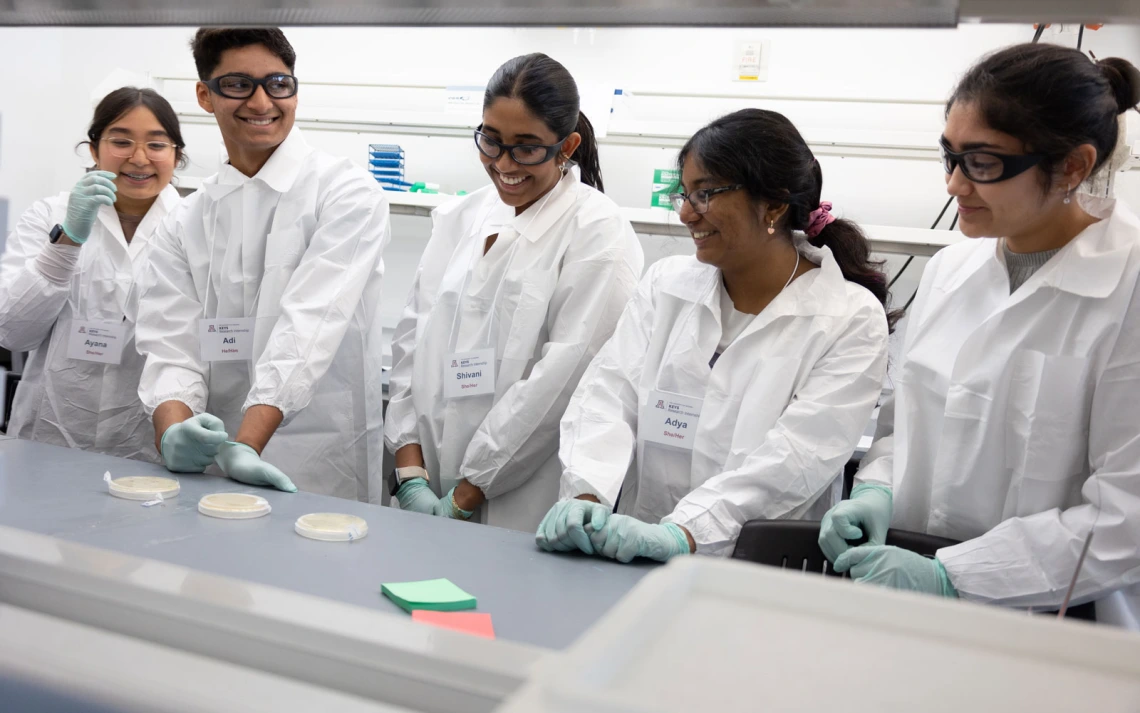
2025: The BIO5 Institute's KEYS Research Internship expands to Phoenix, increasing research opportunities for Arizona students and building on a program that has now served over 800 students from over 100 Arizona high schools.
2023: BIO5 formally expands to Phoenix, strengthening collaboration across the University of Arizona and helping grow membership to more than 300 researchers.
2023: The Keating Family Endowed Professor for Interdisciplinary Research is established to recognize excellence in collaborative research, mentorship, and communication.
2021: BIO5 marks its 20th anniversary, celebrating two decades of interdisciplinary research at the University of Arizona.
2021: Science Talks launches, a podcast and video series featuring conversations with BIO5 researchers, now spanning more than 65 episodes.
2020 – 2016
BIO5 expanded research services, facilities, and public programs while strengthening connections among researchers, students, and industry partners. New research facilities and interdisciplinary initiatives helped grow BIO5’s role as a hub for bioscience discovery and collaboration.
Infrastructure
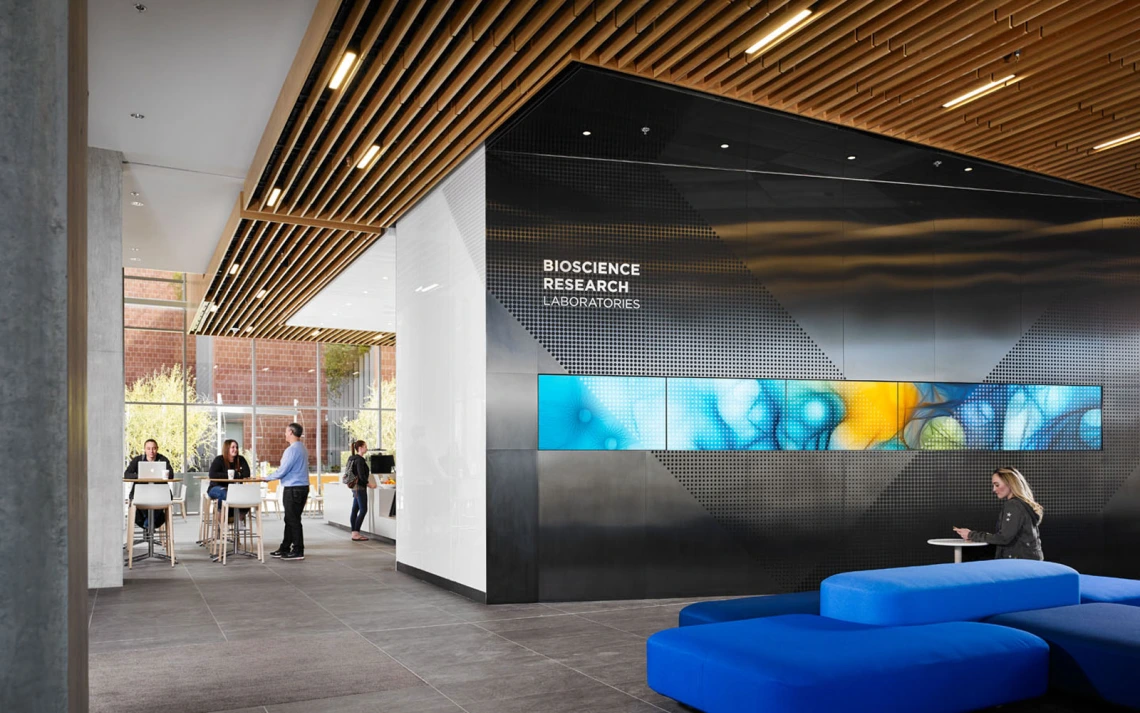
2020: BIO5 mobilizes TRIF-funded research infrastructure to rapidly respond to COVID-19, awarding more than $500,000 to interdisciplinary teams across seven University of Arizona colleges to advance studies on the virus and potential treatments.
2017: The Biosciences Research Laboratories (BSRL) building opens next to the Keating building, adding 150,000 square feet of collaborative bioscience research space.
2017: The Biomedical Device Prototyping Service launches within the Keating building, supporting the design and development of scientific and medical devices for the next eight years.
Programs
2020: The BIO5 Institute’s KEYS Research Internship moves online during the pandemic, introducing students to computational research areas including bio- and health informatics and data-intensive biomedical research.
2019: The BIO5 Postdoctoral Fellowship launches to support early-career researchers working across disciplines with BIO5 faculty members.
2019: The Research & Innovation Showcase and Faculty Industry Networking Event bring together researchers, trainees, and bioscience industry partners for the first time.
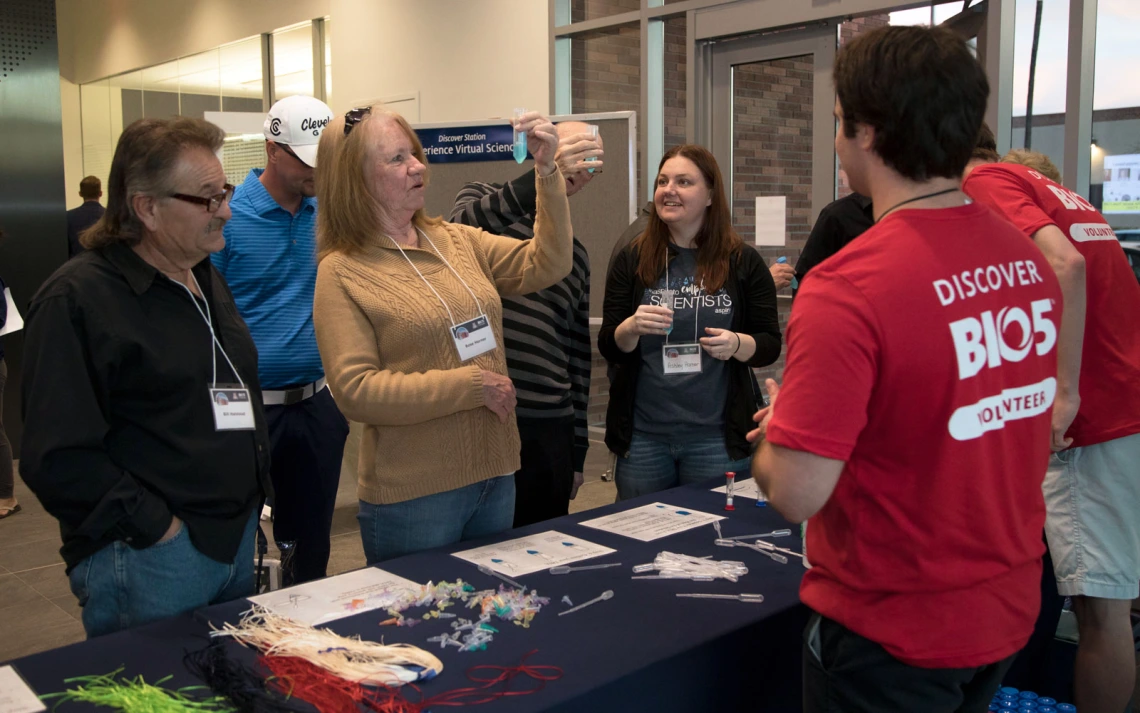
2019: Discover BIO5 and BIO5 Inspiring Women in STEM events expand outreach, connecting community members with scientists at BIO5.
2019: The Precision Nutrition and Wellness Initiative launches through BIO5 under the leadership of Floyd “Ski” Chilton, providing a seminar series to over 400 members of the public that shared how genetics, diet, and lifestyle influence health.
2018: BIO5 members help launch the University of Arizona–Banner Health All of Us Research Program, supported by more than $60 million from the National Institutes of Health to study how lifestyle, environment, and genetics influence health across a diverse national cohort.
2015 – 2011
BIO5 strengthened its research community while expanding student engagement and international training programs. New outreach efforts and training initiatives connected researchers, students, and global collaborators.
People
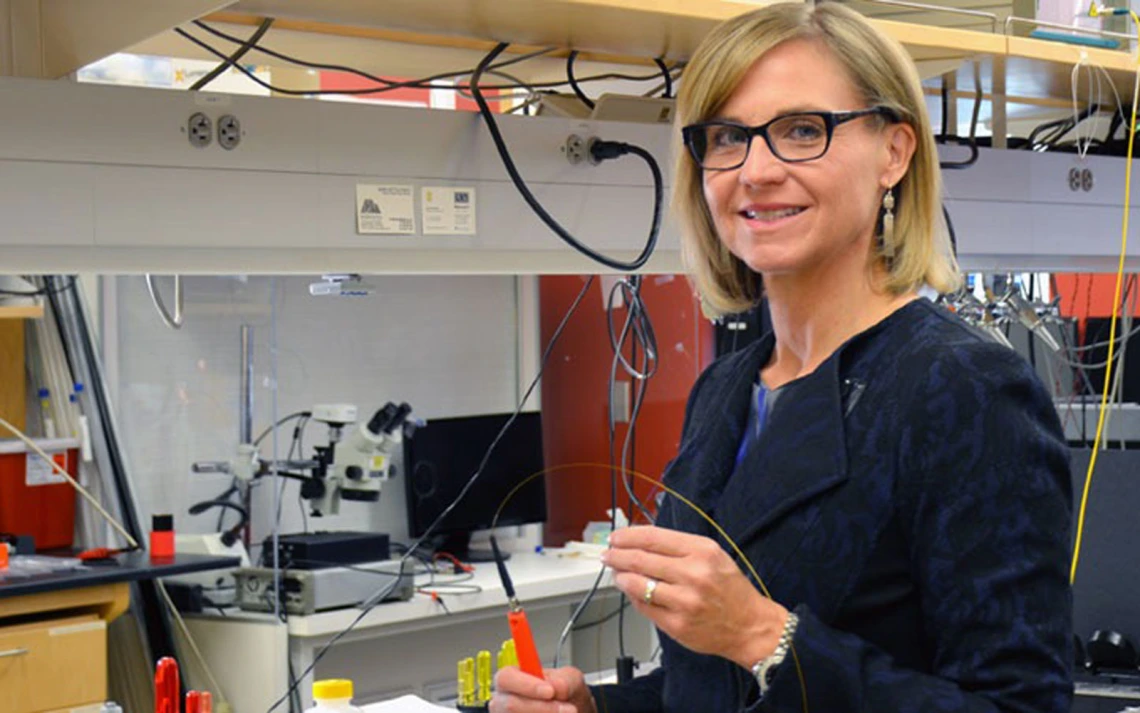
2015: Biomedical engineer Jennifer Barton is named director of the BIO5 Institute.
Programs
2013: Partnership with Tech Launch Arizona begins. In over 10 years, BIO5 faculty members have formed 61 startups and received over 300 patents, helping bring groundbreaking research to those who need it most, and working towards solutions to grand challenges.
2013: Evolutionary biologist Bruce Walsh launches the Tucson Plant Breeding Institute through BIO5, which grows into a global training program attracting participants from more than two dozen countries.
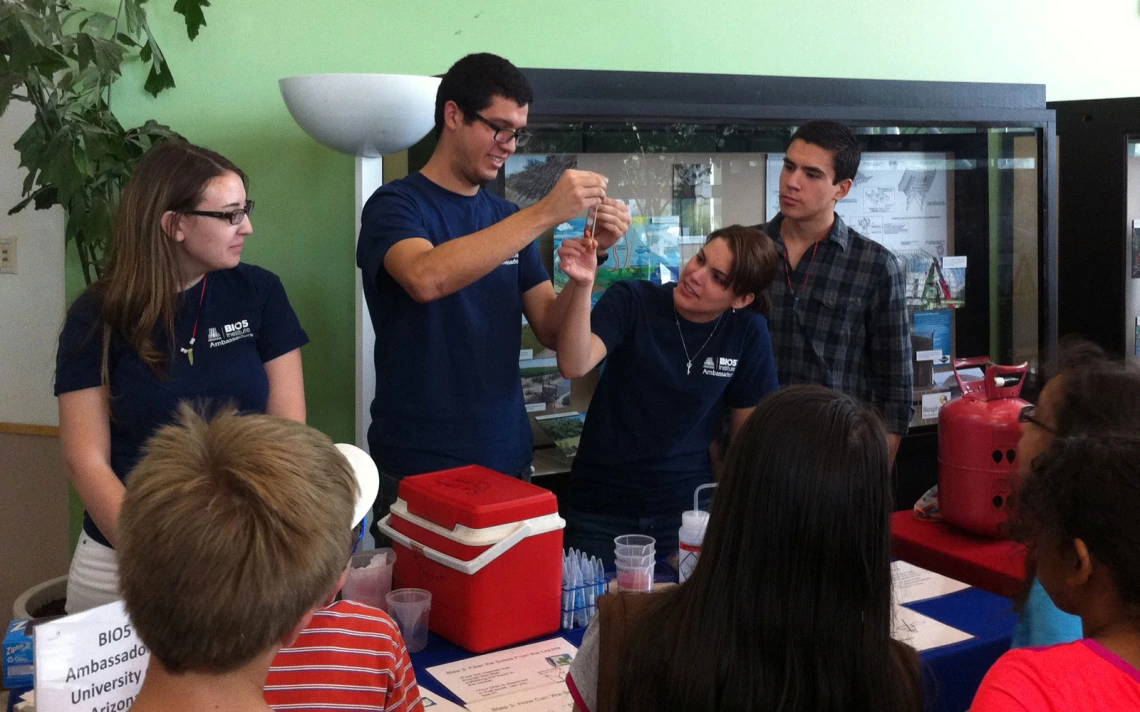
2012: University of Arizona students launch the BIO5 Ambassadors program to support science outreach and tours, later evolving into a BIO5 undergraduate internship program with more than 20 alumni.
2010 – 2006
BIO5 strengthened its research community while expanding student engagement and international training programs. New outreach efforts and training initiatives connected researchers, students, and global collaborators.
Infrastructure
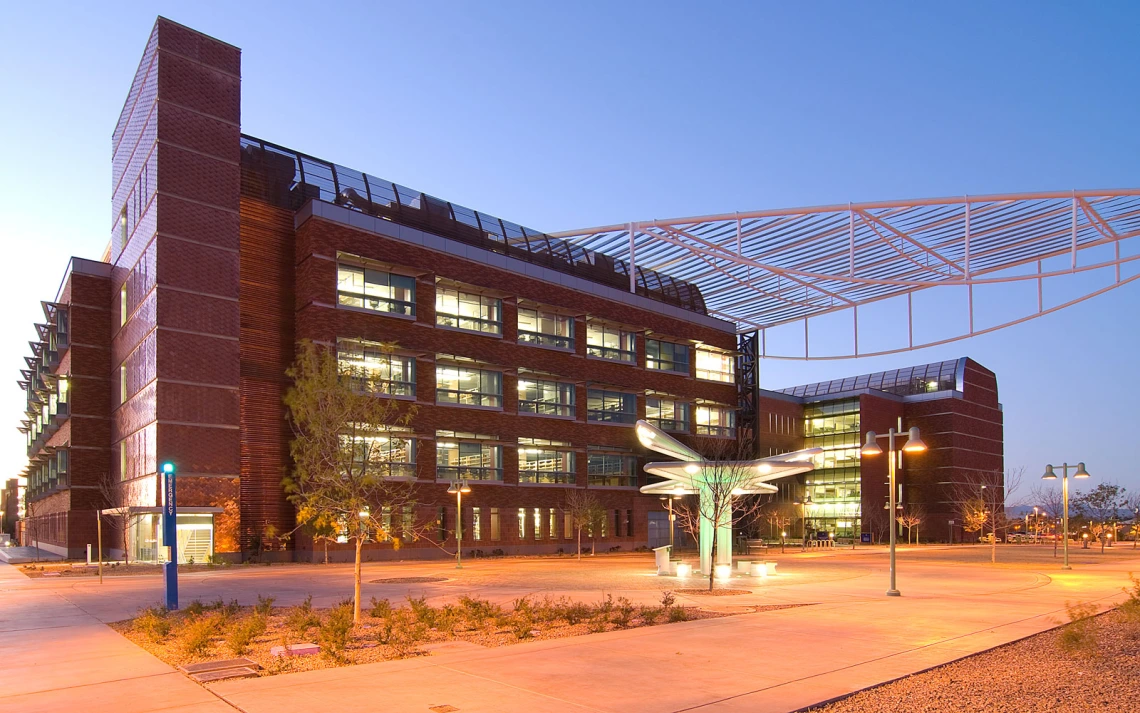
2007: The Biosafety Level 3 (BSL-3) facility opens at BIO5, providing a secure environment for studying infectious agents and emerging diseases.
2007: The BIO5 Media Facility in the Keating building basement begins producing microbiological research materials for laboratories across campus and now supports more than 150 research labs annually.
2006: Thomas W. Keating Bioresearch Building opens, providing the first physical home for the BIO5 Institute.
People
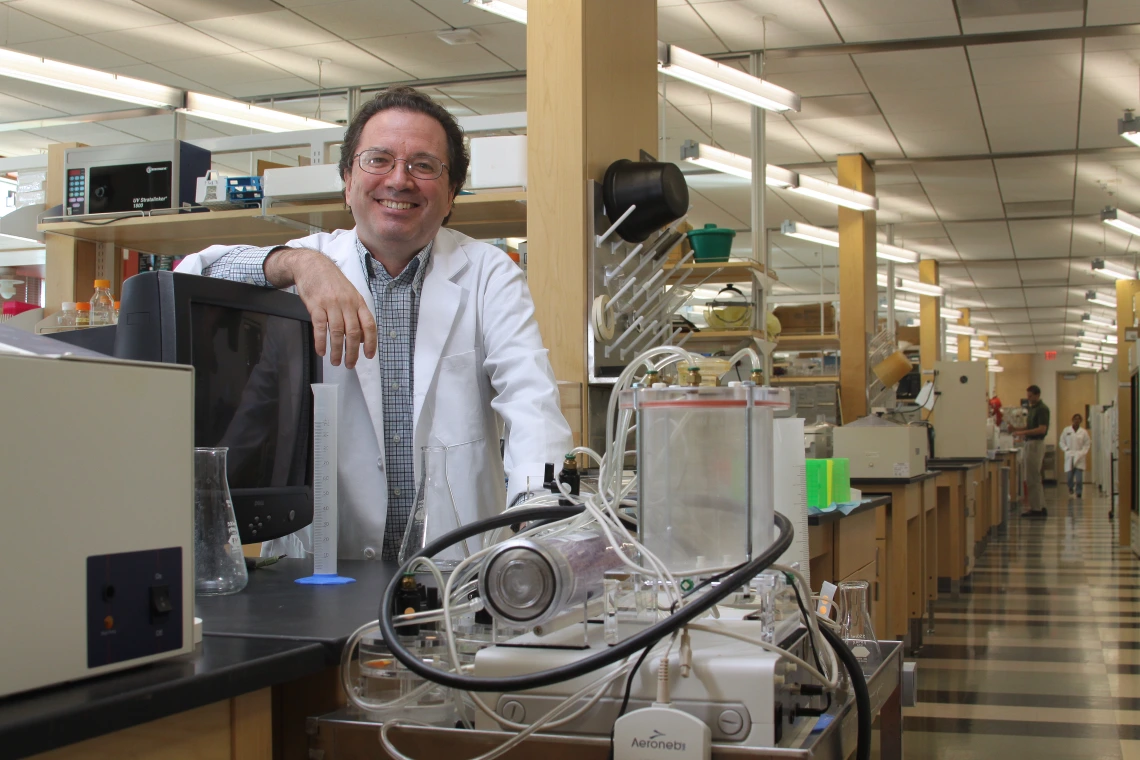
2009: Physician-scientist Fernando Martinez is named director of the BIO5 Institute.
Programs
2008: The National Science Foundation awards $50 million to establish the iPlant Collaborative, administered by BIO5 and later evolving into CyVerse, which now supports thousands of researchers worldwide.
2008: BIO5 helps launch Science City at the Tucson Festival of Books, bringing hands-on science demonstrations to thousands of visitors each year.
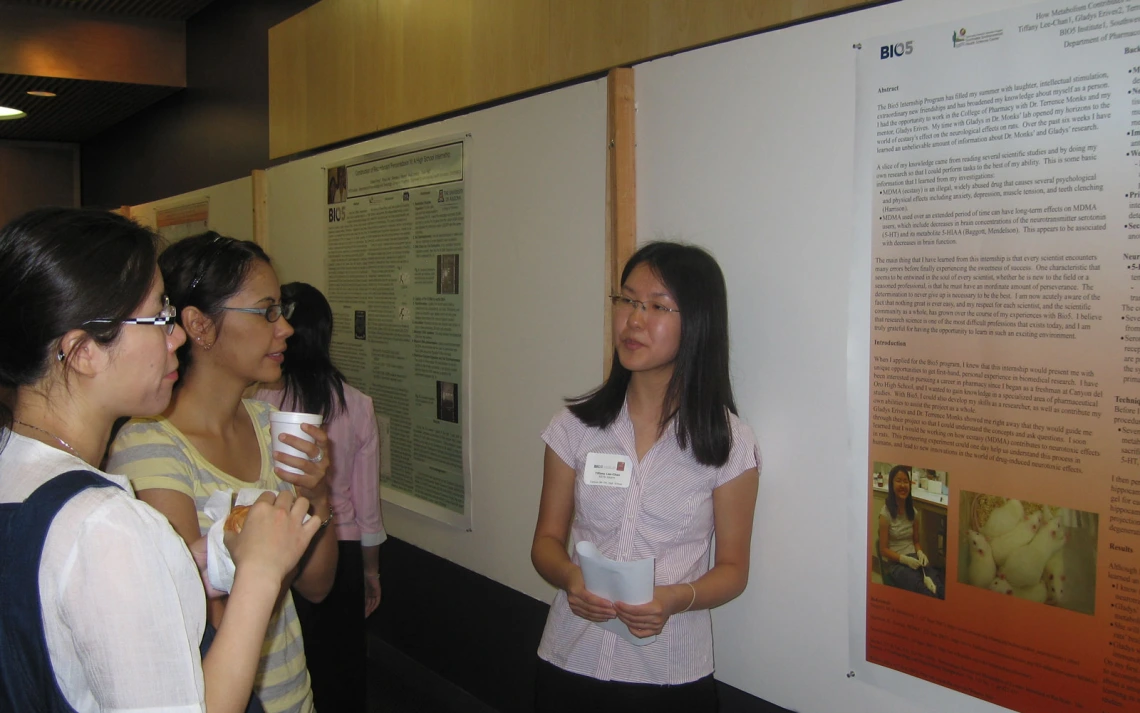
2006: The BIO5 Institute’s KEYS Research Internship launches as a pilot program with nine high school students in collaboration with the R. Ken Coit College of Pharmacy Southwest Environmental Health Sciences Center.
2005 – 2001
BIO5 begins as a campus-wide effort to bring together researchers from different disciplines to address complex biological problems. During these early years, the ‘virtual’ institute built a collaborative model, infrastructure, and leadership that would shape its future growth.
Infrastructure
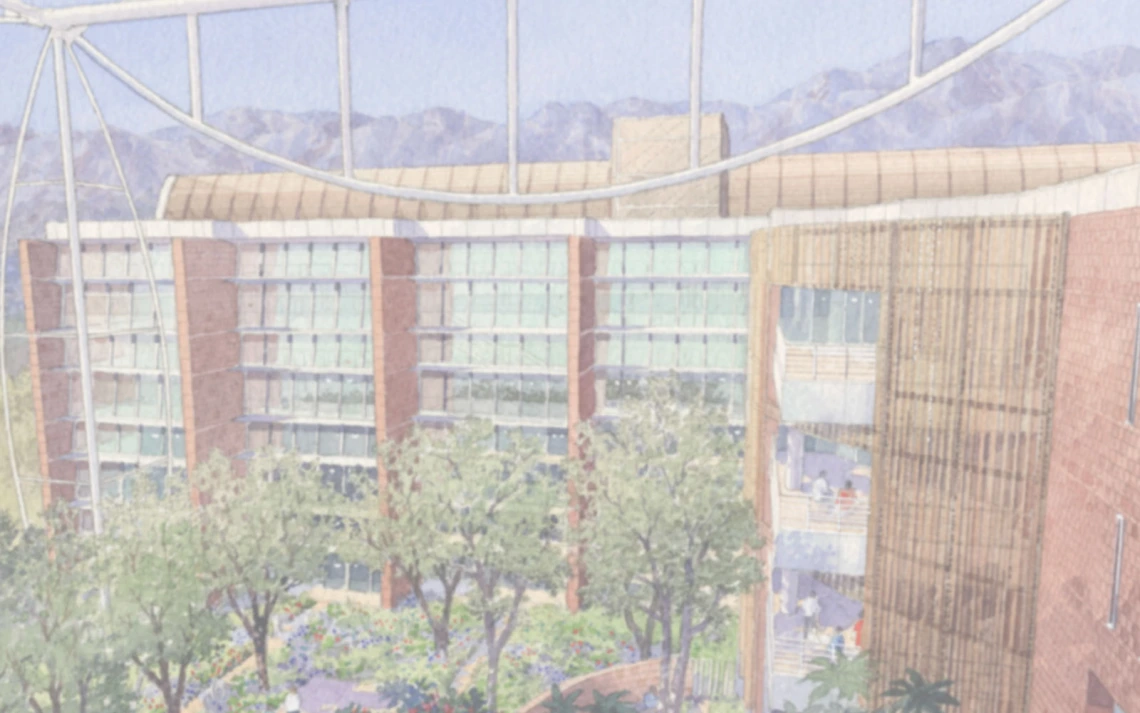
2003: Construction begins on the Thomas W. Keating Bioresearch Building, designed to bring researchers from multiple disciplines together in a shared space.
2002: Planning begins for the Thomas W. Keating Bioresearch Building, the future home of the BIO5 Institute.
People
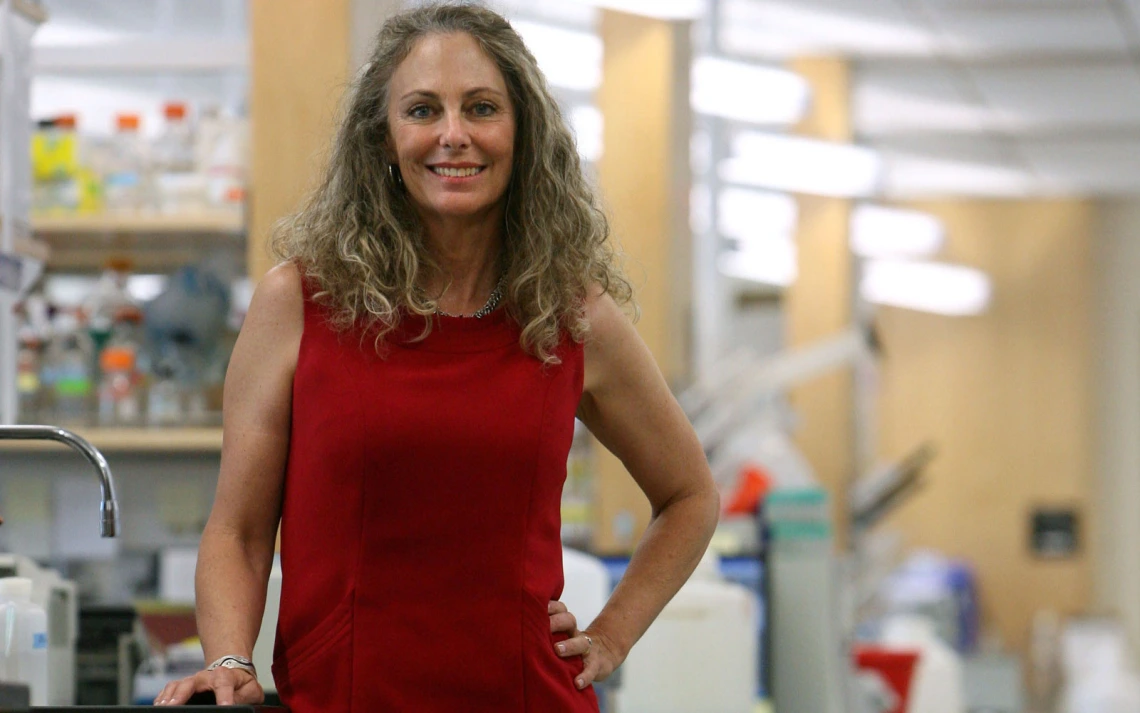
2004: Plant geneticist Vicki Chandler is named director, helping guide the institute’s early development and collaborative research model.
Programs
2005: The Institute for Biomedical Science and Biotechnology (IBSB) is renamed the BIO5 Institute, establishing the institute’s identity as a hub for interdisciplinary bioscience research
2001: BIO5 begins as a virtual institute, connecting researchers across departments while building shared research infrastructure and bioinformatics capabilities