

BIO5 welcomes its largest cohort of postdoctoral fellows
Ten University of Arizona postdoctoral researchers have been selected for the 2026 BIO5 Postdoctoral Fellowship, advancing collaborative research across disciplines while preparing for careers as independent investigators.
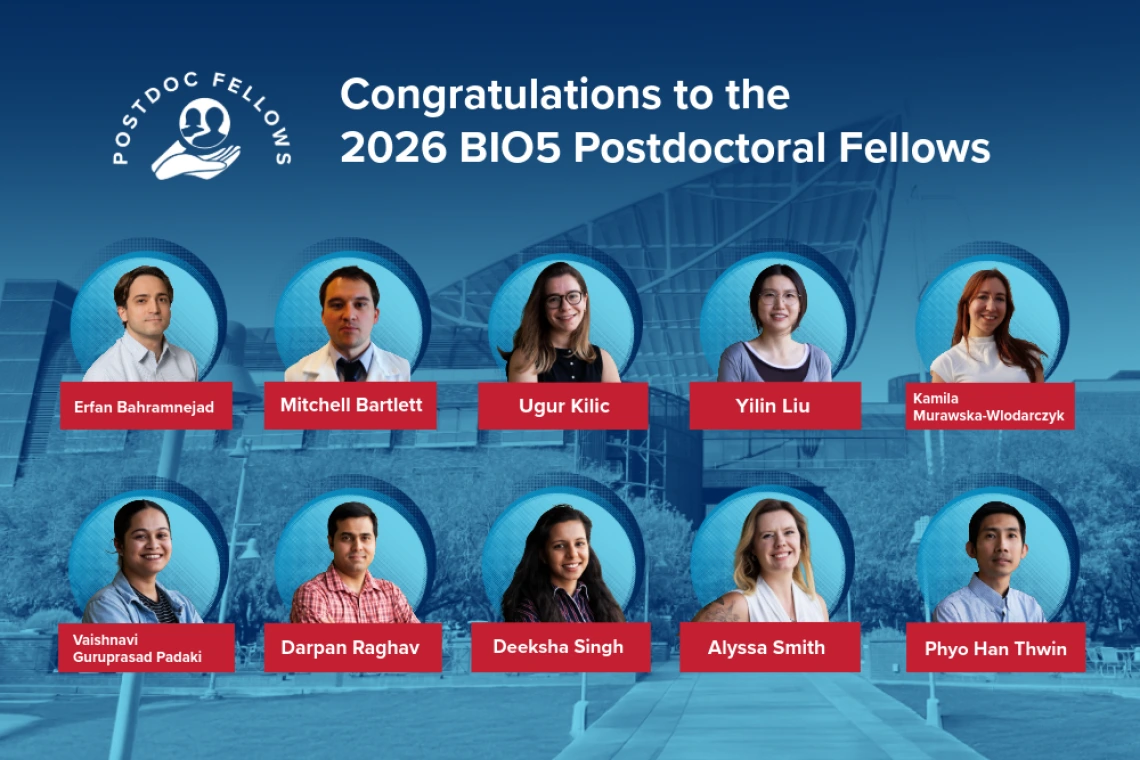
The BIO5 Institute welcomed its largest cohort of BIO5 Postdoctoral Fellows to date, selecting 10 University of Arizona postdoctoral researchers for the 2026 fellowship.
Chosen through a competitive application process that attracted a highly qualified pool of applicants from 15 departments across seven colleges, the fellows represent a diverse range of disciplines united by a commitment to advancing interdisciplinary research.
“Some of the most impactful scientific work happens at the interface between different domains, and early-career researchers are often the ones who see those connections most clearly,” said Vignesh Subbian, interim director of the BIO5 Institute. “At BIO5, we are committed to investing in those researchers and their collaborative potential. This year, we are pleased to support ten postdoctoral scientists spanning eight disciplines, giving them the mentorship, professional development in team science and intellectual community to explore their ideas and grow as interdisciplinary scientists.”
Now in its eighth year, the BIO5 Postdoctoral Fellowship provides a one-year opportunity for outstanding postdoctoral researchers to strengthen interdisciplinary collaborations while preparing for careers as independent investigators. Each fellow receives a $5,000 professional development award, participates in a cross-disciplinary mentoring committee and engages in professional development opportunities designed to expand their research, leadership and career development.
The 2026 fellows are united by a common goal: using interdisciplinary science to improve lives. Their research seeks to develop new treatments for disease, personalize healthcare, strengthen support for vulnerable communities and build more sustainable solutions for the future while advancing BIO5's strategic priorities, including resilient aging, precision medicine and the healthy microbiome.
This year's fellowship also marks an expansion of the program, growing from eight to 10 fellows to further strengthen interdisciplinary research across the University of Arizona. Fellows will share their research at the BIO5 Research & Innovation Showcase in October, where they will highlight both their research and how the fellowship is helping advance the next stage of their careers.
Meet the 2026 BIO5 Postdoctoral Fellows
From developing new therapies to creating more sustainable solutions, these fellows are united by a shared commitment to interdisciplinary discovery.
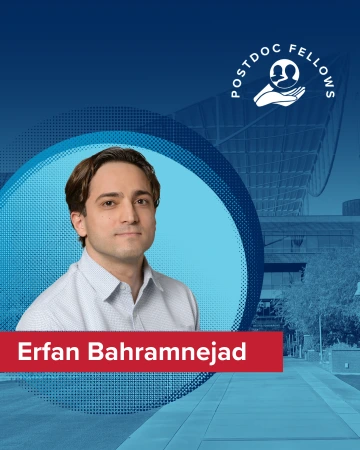
Hope for better epilepsy treatments – Erfan Bahramnejad
Department of Neurology | College of Medicine - Tucson
Erfan Bahramnejad studies how genetic changes influence the severity of SCN8A-related epilepsy under the mentorship of BIO5 member Michael Hammer, research scientist of neurology.
SCN8A-related disorders cause severe epilepsy and developmental disabilities, and Bahramnejad's research seeks to uncover how specific genetic variations can lessen disease severity, opening new possibilities for treating drug-resistant forms of the disorder.
With support from the BIO5 Postdoctoral Fellowship, Bahramnejad will receive advanced training in long-read RNA sequencing while expanding his expertise in genomic research. The project will generate preliminary data for future funding and lay the groundwork for an independent research program focused on the genetic mechanisms underlying epilepsy and other SCN8A-related disorders.
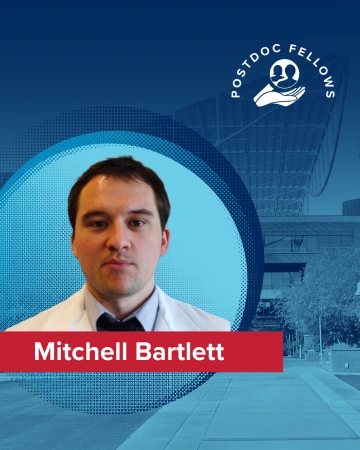
A new direction for Alzheimer's treatment – Mitchell Bartlett
Department of Surgery | College of Medicine - Tucson
Mitchell Bartlett is exploring novel therapeutic approaches to treating Alzheimer's disease under the mentorship of BIO5 member Maryls H. Witte, professor of surgery.
His research investigates how the lymphatic system is affected by aging and Alzheimer's disease, with the goal of developing therapies that could potentially slow or reverse disease progression. Bartlett is currently exploring whether treatments used for lymphedema could be repurposed to remove a toxic protein that accumulates in the brain during Alzheimer's disease.
The BIO5 Postdoctoral Fellowship will enable Bartlett to receive advanced training in supermicrosurgery while expanding his expertise in lymphatic anatomy and physiology. These experiences will support the development of a novel surgical approach and advance his long-term goal of leading a research program focused on innovative therapies for neurodegenerative disorders.
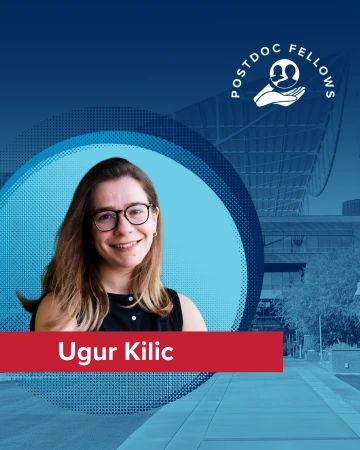
Relief for chronic pain after stroke – Ugur Kilic
Department of Neurosurgery | College of Medicine - Tucson
Seeking new ways to treat chronic pain after stroke, Ugur Kilic is developing a non-invasive brain stimulation approach under the mentorship of BIO5 member Julie Pilitsis, professor and chair of neurosurgery.
Her research combines two complementary forms of brain stimulation with advanced imaging to better understand how targeted therapies can reshape brain networks involved in pain. The goal is to develop longer-lasting, more effective treatments for millions of people living with chronic pain following stroke.
As a BIO5 Postdoctoral Fellow, Kilic will expand her expertise in neuromodulation, functional brain imaging and preclinical pain research while generating preliminary data for future funding. The fellowship will position her to establish an independent research program focused on developing non-invasive therapies for neurological rehabilitation.
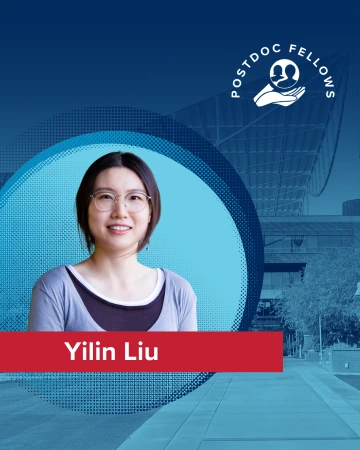
Improving brain health through precision medicine – Yilin Liu
Department of Psychology | College of Science
Yilin Liu is developing more personalized brain stimulation treatments for Alzheimer's disease and age-related cognitive decline under the mentorship of BIO5 member Ying-Hui Chou, associate professor of psychology.
Her research combines advanced brain imaging, machine learning and non-invasive brain stimulation to better understand why some patients respond to treatment while others do not, with the goal of tailoring therapies to each individual's brain.
Support from the BIO5 Postdoctoral Fellowship will allow Liu to expand her expertise in precision neuromodulation while conducting clinical studies and sharing her findings with the broader brain stimulation research community. The experience will strengthen her transition toward leading an independent research program focused on personalized therapies that preserve cognitive health as people age.
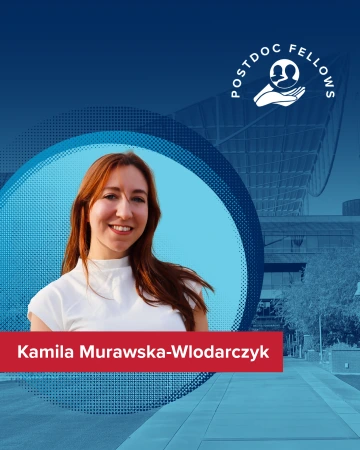
Turning environmental challenges into sustainable solutions – Kamila Murawska-Wlodarczyk
Department of Environmental Science | College of Agriculture, Life & Environmental Sciences
Kamila Murawska-Wlodarczyk explores how interactions among plants, soils and microorganisms shape the cycling of trace elements in disturbed arid ecosystems under the mentorship of BIO5 member Alicja Babst-Kostecka, associate professor of environmental science.
Selenium is an essential trace element with a critical role in human health and growing importance in technologies ranging from electronics to next-generation solar energy. However, when it accumulates at elevated concentrations in the environment, selenium can become toxic to wildlife and threaten ecosystem health. Murawska-Wlodarczyk's research investigates how certain plants naturally accumulate and transform metal(loid)s, with the goal of developing more sustainable approaches for environmental remediation and resource recovery.
As a BIO5 Postdoctoral Fellow, Murawska-Wlodarczyk will expand her research by investigating how soil microorganisms influence the movement of selenium through arid and semi-arid ecosystems. The fellowship will support her goal of establishing an independent research program focused on the sustainable management of critical elements and the restoration of degraded environments.
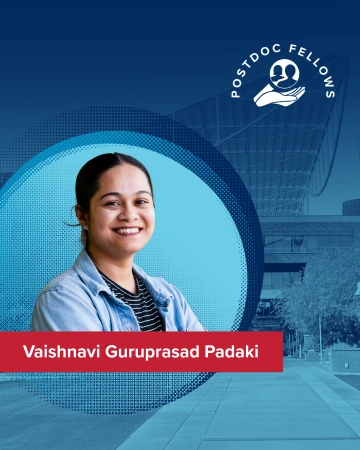
Decoding plant-microbe communication – Vaishnavi Guruprasad Padaki
School of Natural Resources & the Environment | College of Agriculture, Life & Environmental Sciences
Vaishnavi Guruprasad Padaki studies how soil microorganisms communicate with plants under the mentorship of BIO5 member Laura Meredith, associate professor of ecosystem genomics.
Her research investigates how naturally produced chemical signals, including volatile organic compounds (VOCs)—airborne molecules that microbes use to communicate in soil and influence plant behavior—affect maize root growth, plant health and interactions with the soil microbiome. By uncovering how these signals shape plant development, her work could improve agricultural sustainability while advancing our understanding of how ecosystems store carbon.
Support from the BIO5 Postdoctoral Fellowship will allow Padaki to further investigate how microbial signals influence plant development while presenting her findings to the international scientific community. The experience will help launch an independent research program focused on how microbial communication shapes ecosystem function and resilience.
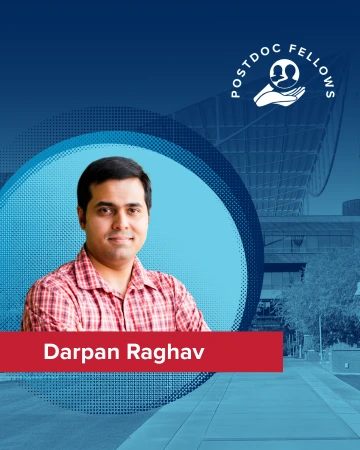
Understanding heart health at the molecular level – Darpan Raghav
Department of Chemistry & Biochemistry | College of Science
Using structural biology to better understand cardiovascular disease, Darpan Raghav is investigating how a protein involved in fatty acid transport helps maintain heart health under the mentorship of BIO5 member Thomas Tomasiak, associate professor of chemistry and biochemistry.
His research seeks to uncover how this protein functions at the molecular level and how changes in its activity may contribute to cardiovascular disease, with the potential to inform future therapeutic strategies.
As a BIO5 Postdoctoral Fellow, Raghav will expand his expertise in structural biology while generating preliminary data to support future research funding and publication. The fellowship will position him to establish an independent research program at the intersection of structural biology and cardiovascular disease.
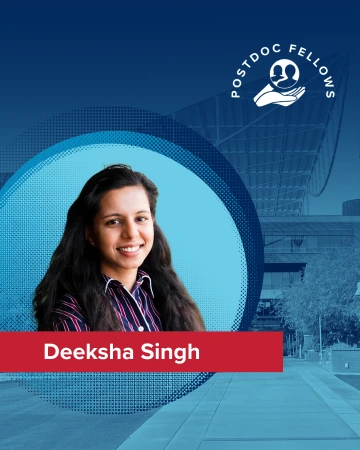
Targeting cancer metabolism – Deeksha Singh
Department of Chemistry & Biochemistry | College of Medicine – Tucson
Deeksha Singh is investigating how cancer cells alter their energy production under the mentorship of BIO5 member Tarjani Thaker, assistant professor of chemistry and biochemistry.
Her research focuses on a key regulatory protein that helps tumors rewire the way they produce energy, allowing rapid growth of tumor cells. By understanding this process, her work aims to identify new opportunities for future cancer therapies.
The BIO5 Postdoctoral Fellowship will expand Singh's expertise in structural biology while supporting the generation of preliminary data for future funding. These experiences will strengthen her path toward establishing an independent research program focused on understanding the molecular mechanisms that drive cancer and other diseases.
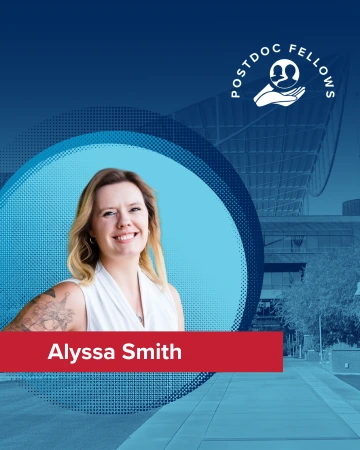
Caring for caregivers – Alyssa Smith
Department of Speech, Hearing & Language Sciences | College of Science
Alyssa Smith is working to improve the health and well-being of professionals who care for individuals with intellectual and developmental disabilities. She works under the mentorship of BIO5 member Patricia Prelock, provost and chief academic officer and professor of speech, language, & hearing sciences.
Her research evaluates an integrative health and wellness coaching program designed to reduce stress and burnout among support personnel, with the goal of improving both workforce well-being and the quality of care provided to individuals with intellectual and developmental disabilities.
With support from the BIO5 Postdoctoral Fellowship, Smith will lead a longitudinal study evaluating the effectiveness and long-term sustainability of health and wellness coaching while expanding her expertise in community-based intervention research. The fellowship will advance her goal of leading an independent research program focused on equitable health promotion for individuals with intellectual and developmental disabilities and their care networks.
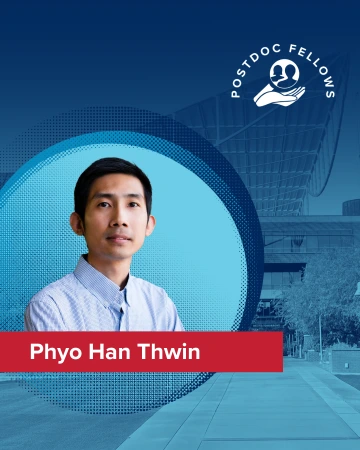
Developing new ALS therapies – Phyo Han Thwin
Department of Pharmacology & Toxicology | R. Ken Coit College of Pharmacy
Phyo Han Thwin is developing a potential new treatment strategy for amyotrophic lateral sclerosis (ALS) under the mentorship of BIO5 member Haining Zhu, professor of pharmacology and toxicology.
His research investigates a promising therapeutic compound designed to restore the normal activity of a protein linked to inherited forms of ALS, with the goal of protecting motor neurons and slowing disease progression.
The BIO5 Postdoctoral Fellowship will provide Thwin with opportunities to expand his expertise in stem cell-based neuroscience research and advanced electrophysiological techniques while building collaborations with researchers across the country. These experiences will support his transition to an independent research program focused on developing new therapies for neurodegenerative diseases.